
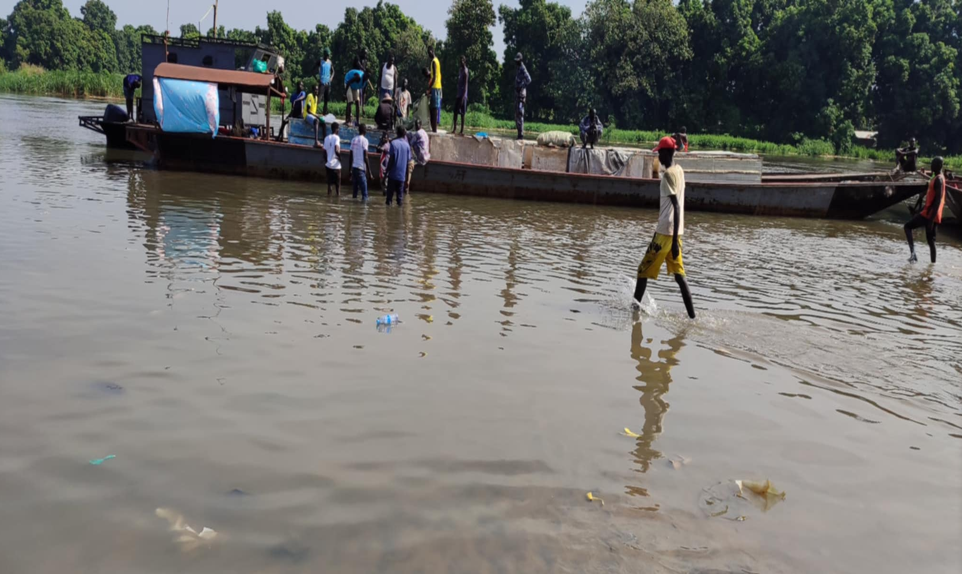
South Sudan’s fisheries sector holds vast potential but remains underdeveloped, hindered by conflicts, poor infrastructure, policy gaps, and high post harvest losses. With fish providing affordable nutrients to combat malnutrition, strategic investment in aquaculture, modernization, infrastructure, policy reform, and nutrition education are crucial to help drive food security and sustainable development.
South Sudan possesses vast aquatic ecosystems — rivers, lakes, swamps, streams, and the expansive Sudd wetlands — that provide immense potential for fisheries development. Despite this richness, the sector remains underdeveloped, dominated by artisanal fishing methods such as gillnets, hooks, and spears, which limit productivity. The study highlights that fish is a critical source of high‑quality protein, omega‑3 fatty acids, and essential micronutrients, making it vital for combating malnutrition and food insecurity in a country where over 50% of the population faces acute food shortages.
The research employed a qualitative desk review approach, synthesizing secondary data from peer‑reviewed articles, policy documents, and reports from organizations like FAO and the World Bank. Thematic analysis was used to identify the current status, challenges, and opportunities in the fisheries sector. Ethical standards were observed, with proper acknowledgment of sources.
Findings reveal that capture fisheries dominate production, but aquaculture remains at an infancy stage, limited to traditional earthen ponds with low productivity. Post‑harvest losses are alarmingly high, estimated at 30–50%, due to poor storage, spoilage, and reliance on traditional preservation methods such as smoking, sun‑drying, and salting. Infrastructure deficits — inadequate roads, cold storage, and market facilities — further constrain access to urban markets, leading to spoilage and reduced profitability. Women play central roles in processing and marketing but face barriers such as limited access to credit, tools, and decision‑making opportunities (including space allocation).
Key hindrances include political instability and conflict, which disrupt fishing activities, destroy equipment, and displace communities. Climate variability also impacts aquatic ecosystems, with floods and droughts unpredictably affecting fish breeding cycles and availability. Policy gaps exacerbate these challenges, as South Sudan still relies on outdated fisheries legislation from 1954, leaving regulation and governance weak. Cultural perceptions of fish as a “low‑status food” reduce its utilization, underscoring the need for nutrition education.
Despite these challenges, fish remains a cornerstone of household nutrition. It provides affordable protein compared to beef or goat, making it accessible to low‑income households. Its digestibility and nutrient profile make it especially important for children, pregnant women, and vulnerable groups. Fish consumption contributes to reducing stunting, anemia, and cardiovascular illnesses, while also diversifying diets and increasing resilience against food insecurity during agricultural failures or economic shocks. Average per capita consumption in South Sudan is estimated between 5–17 kg annually, far below global averages, but with potential for growth.
The study emphasizes a multifaceted pathway to strengthen the sector: investment in aquaculture expansion, modernization of fishing practices, infrastructure development (roads, cold storage, and processing facilities), policy reform, and nutrition education. Strengthening cooperatives, empowering women, and improving market access are also critical. Integrated approaches combining government, NGOs, private sector, and community efforts are necessary to scale up production, reduce post‑harvest losses, and ensure sustainability. If properly harnessed, fisheries can significantly contribute to food security, economic empowerment, and sustainable development in South Sudan.